About the Project

The Infrastructure Beyond Extractivism (IBE) project is a SSHRC-funded Partnership Grant housed at York University. It is led by Dayna Nadine Scott (Osgoode/EUC, York University) and Heidi Kiiwetinepinesiik Stark (CIRCLE, University of Victoria), in partnership with the Yellowhead Institute, the Department of Geography and Planning at University of Toronto, and the University of British Columbia.

The IBE project aims to develop an agenda for fundamentally re-making socio-technical systems for an anti-colonial and radically-just transition. It is about conceptualizing and building infrastructure that restores and revitalizes Indigenous territorial governing authority or “jurisdiction.”

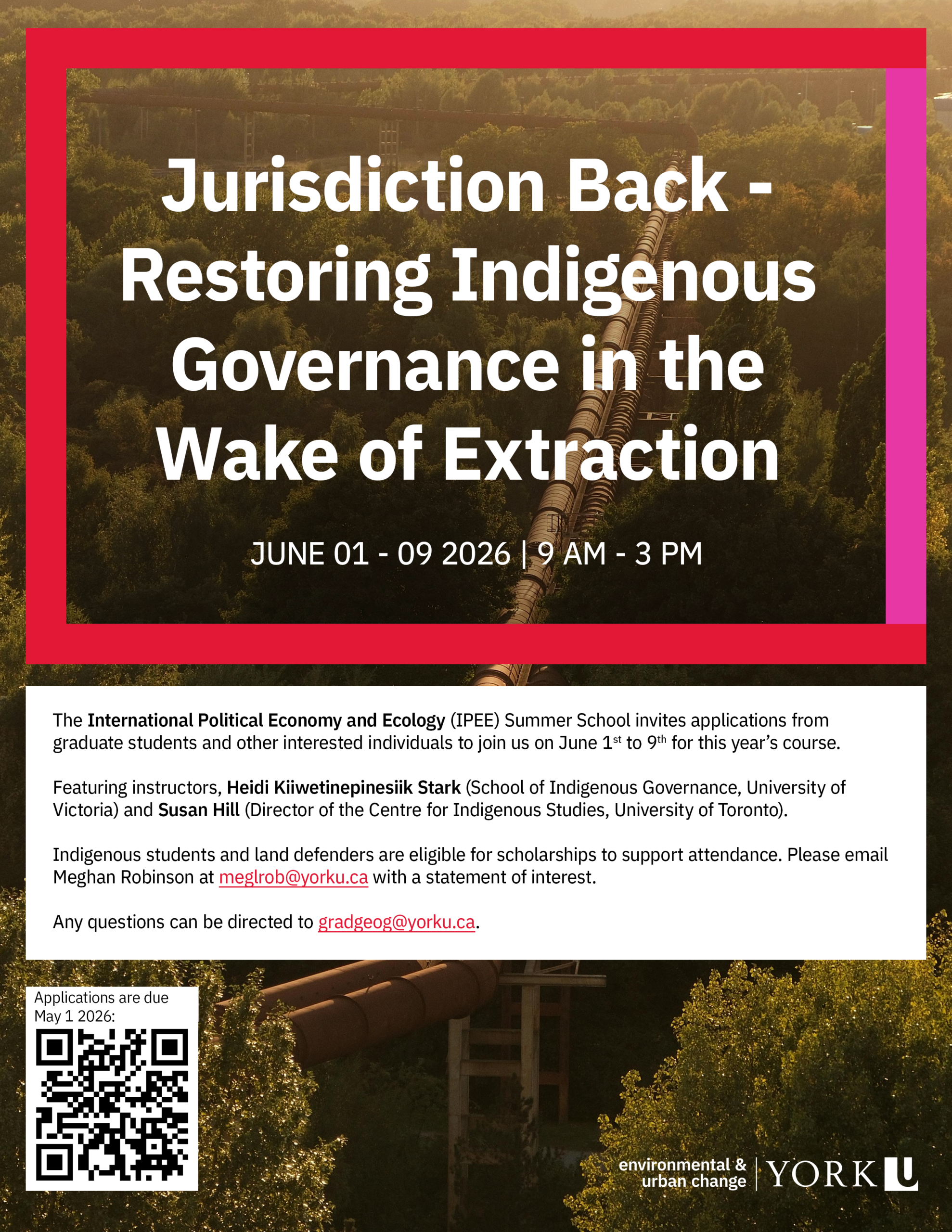
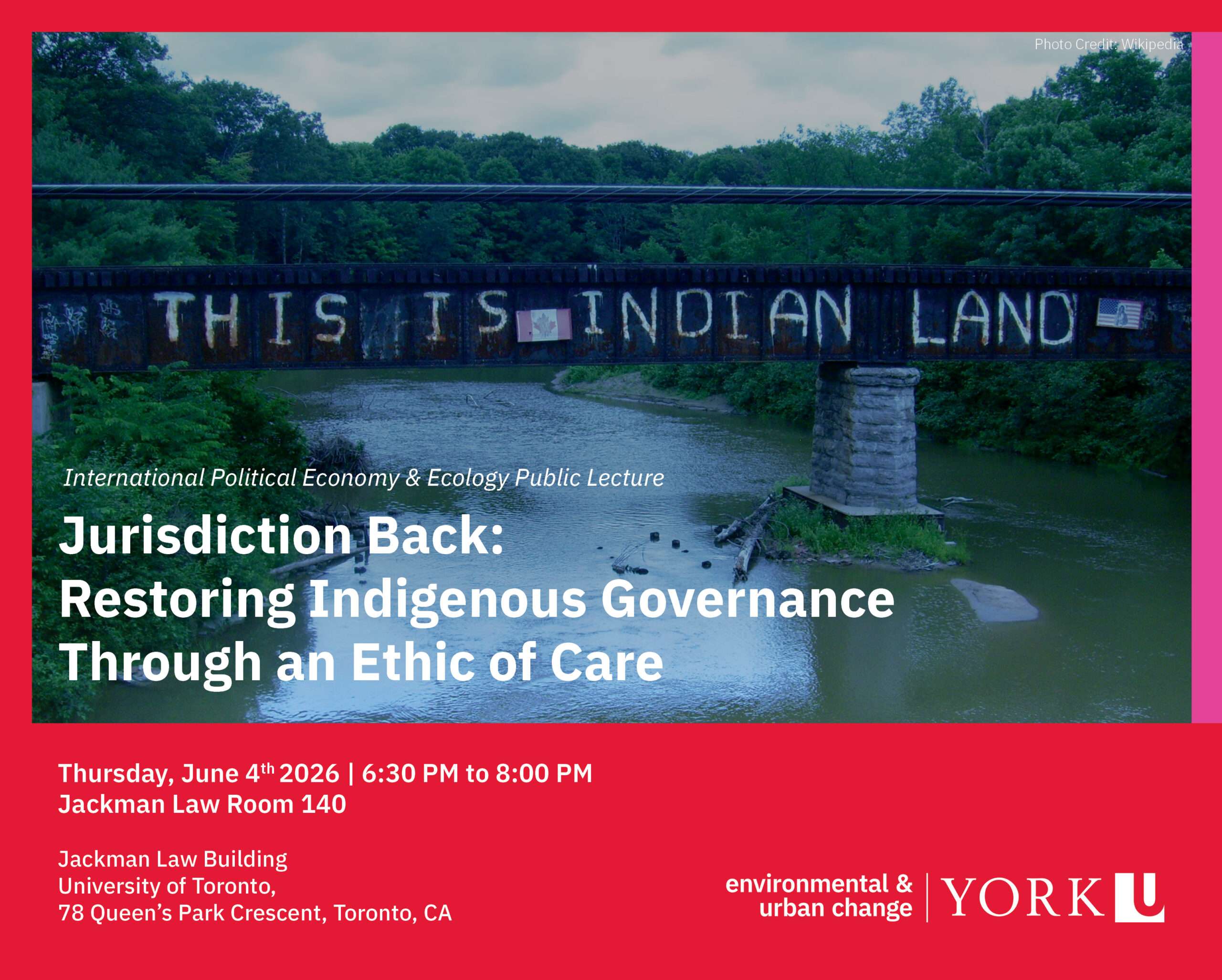
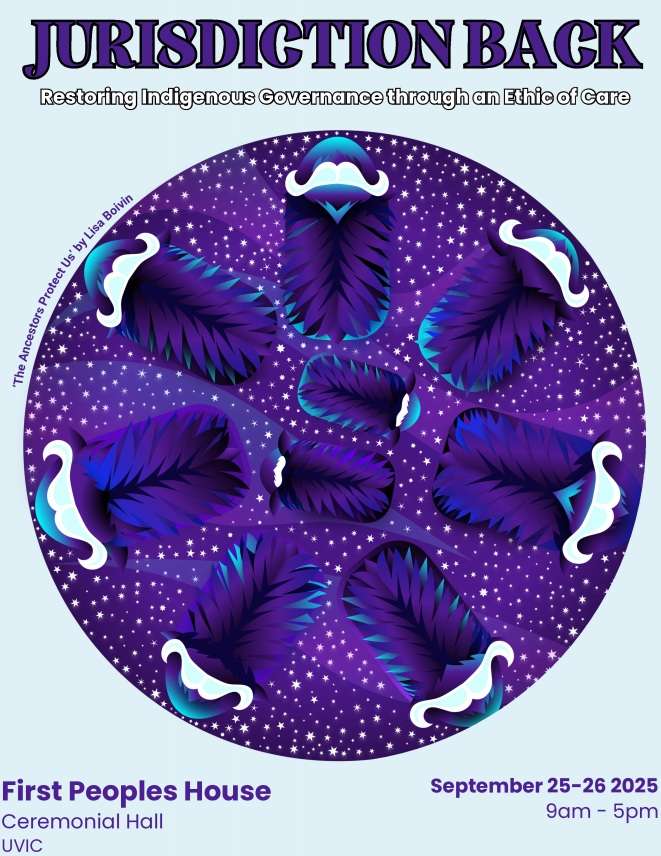
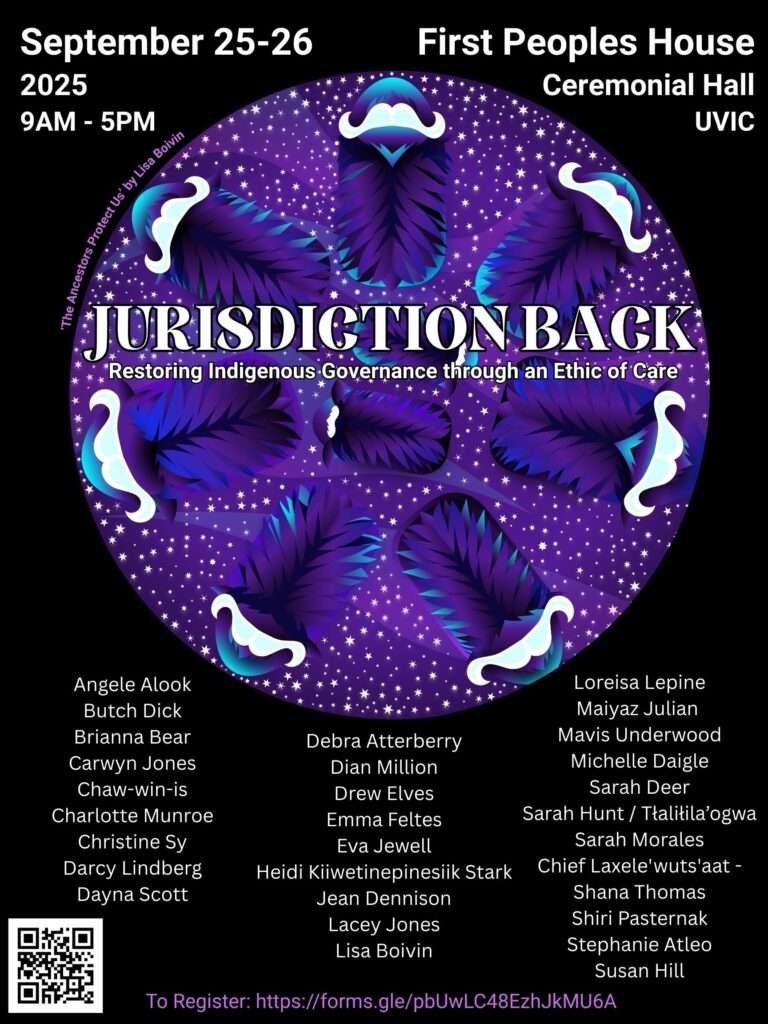
This course emphasizes land-based learning and practice, collaborative and critical engagement, and theories grounded in relationality. This interdisciplinary course examines “Indigenous jurisdiction” as inherent governing authority: a living, practiced form of collective governance, with particular attention to how it is disrupted in contexts of ongoing settler colonial extractivism.

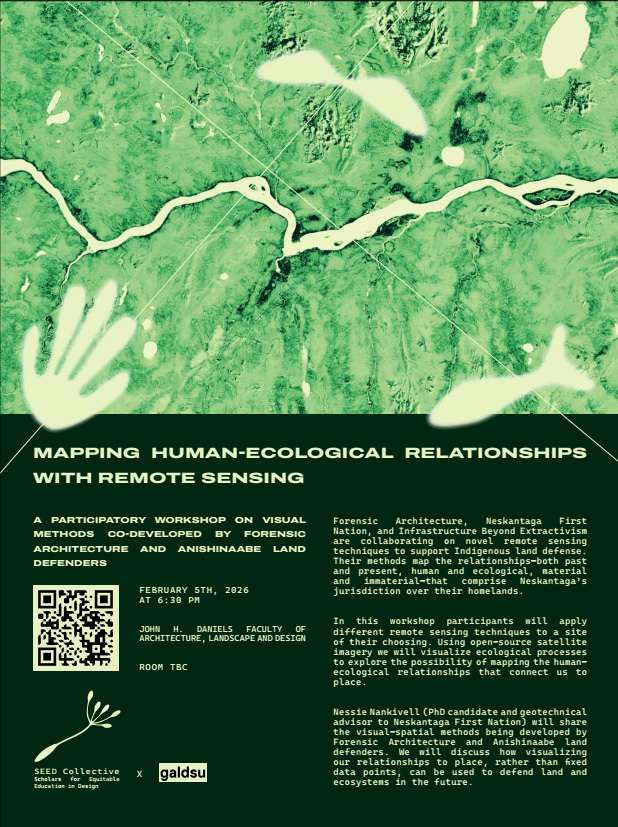
Mapping Human-Ecological Relationships with Remote Sensing

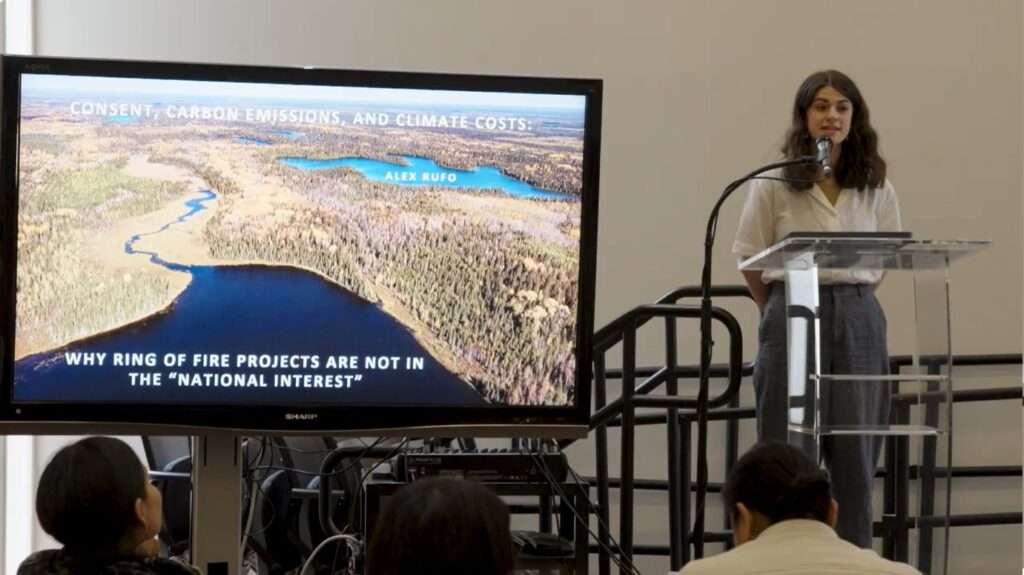
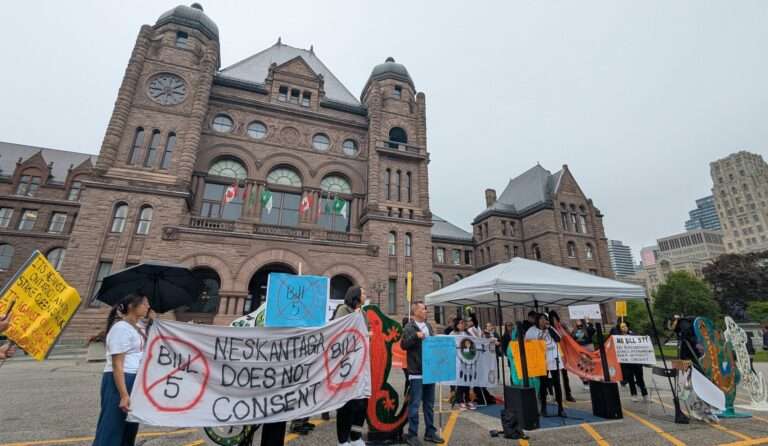
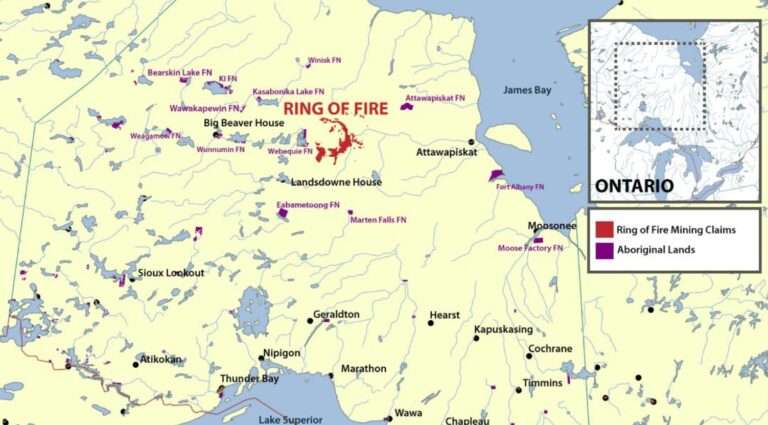
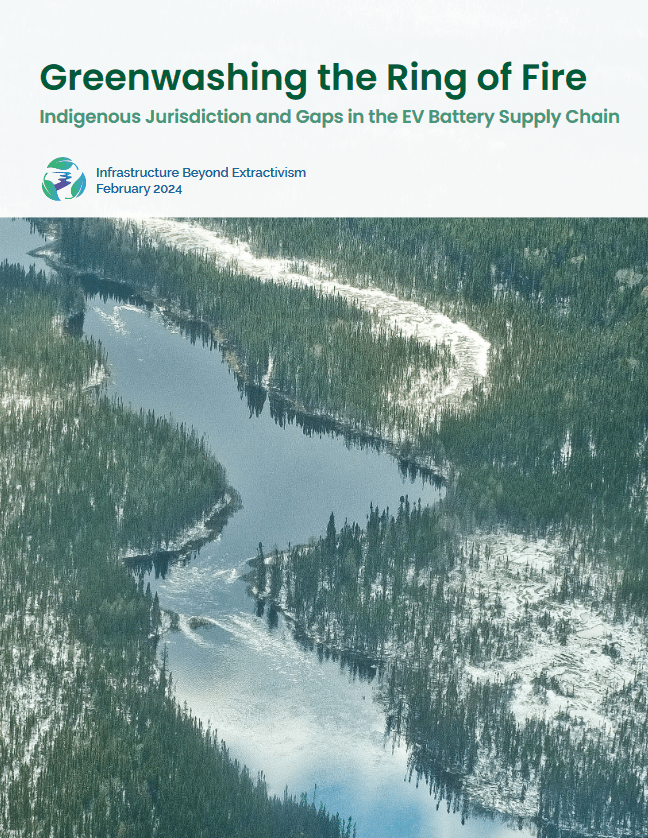
In their current investigation into state-inflicted environmental violence in northern Ontario’s so-called “Ring of Fire”, Forensic Architecture, Neskantaga First Nation, and Infrastructure Beyond Extractivism are using remote sensing to support Indigenous land defense. In this workshop participants will choose a natural landscape they feel personally connected to and learn how to apply different remote sensing techniques to their chosen site. Using open-source satellite imagery we will visualize soil moisture, land surface temperature, and classify plant life to consider how these analyses can be used to map the unique human-ecological relationships that connect us to place.


NEW RESEARCH:

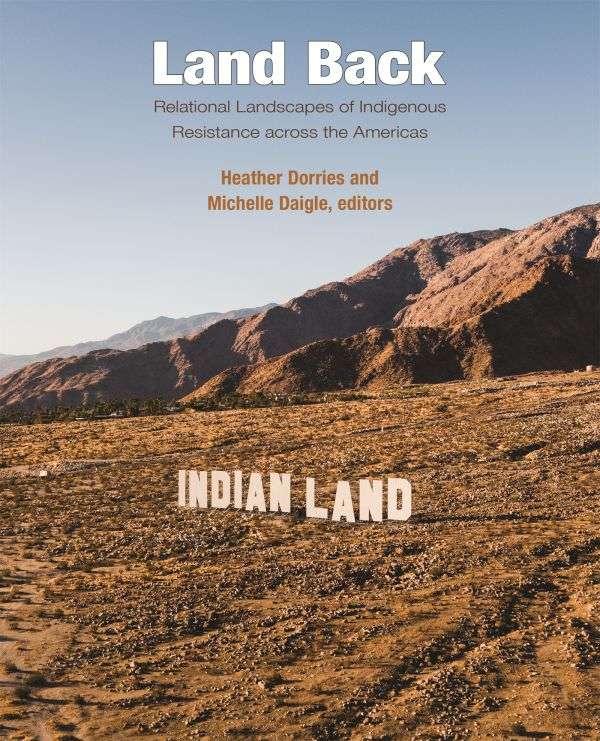
IBE Team Member Michelle Daigle has a new co-edited book out with harvard university press:

Land Back: Relational Landscapes of Indigenous Resistance across the Americas

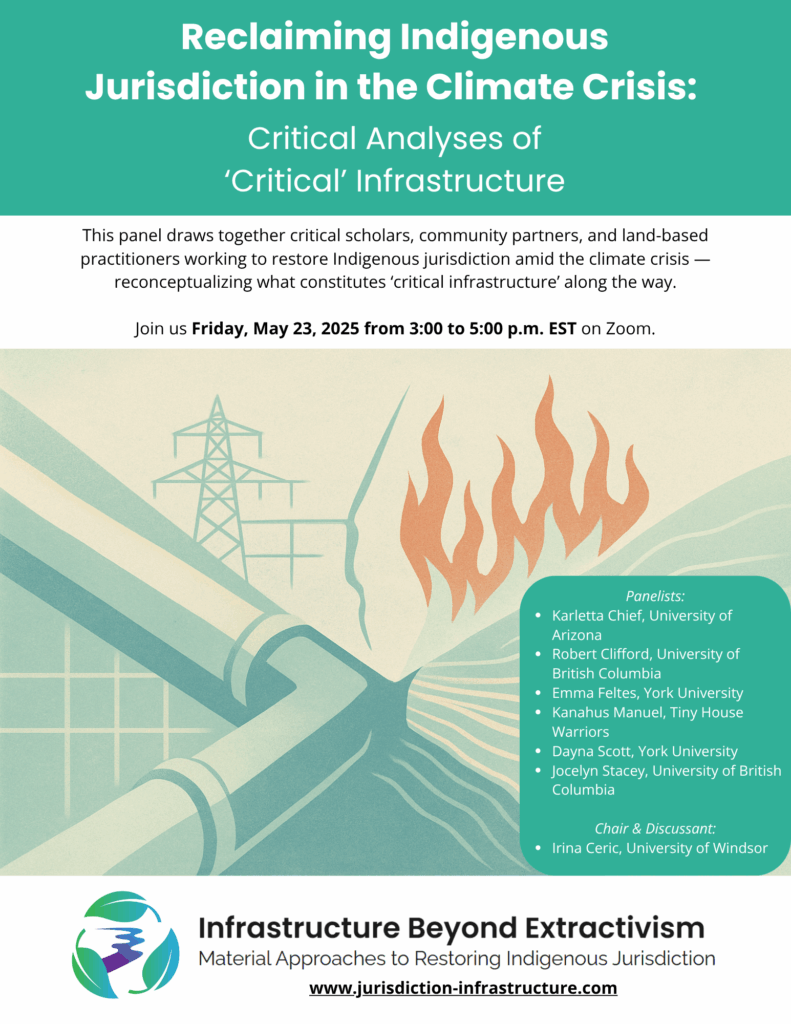
In case you missed it, watch the recording from our webinar

Photograph of a power line among trees with a blue sky in the background

Restoring
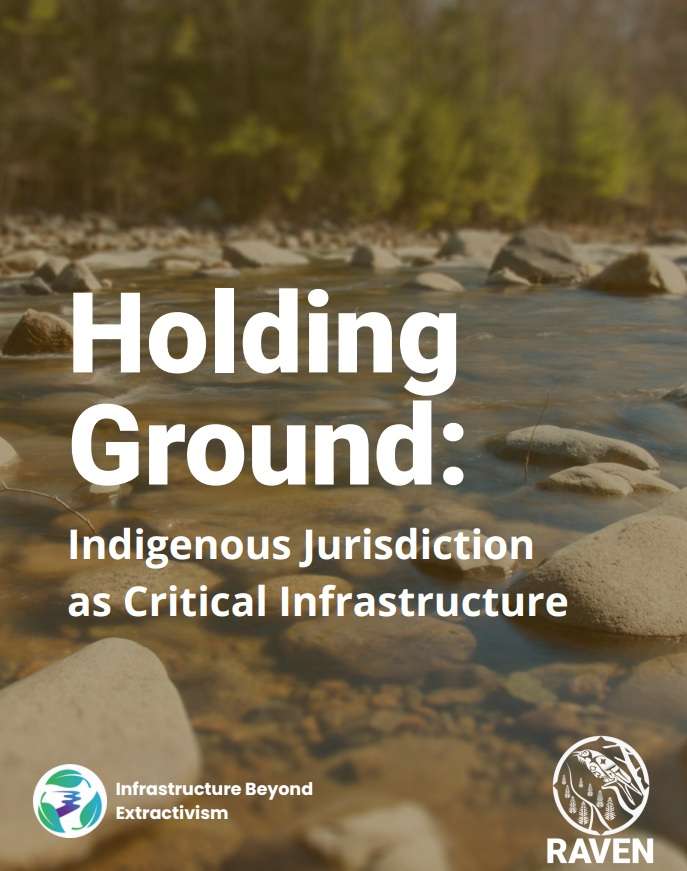
Indigenous Jurisdiction

The ground-breaking 2019 Yellowhead Red Paper documents how Indigenous-led consent processes based on fulfilling responsibilities are already having the effect of restoring Indigenous jurisdiction and reclaiming Indigenous lands and waterways, foodways and lifeways. We propose to systematically document, support, expand and evaluate this work to determine which strategies and approaches have the most success.

How can remaking the material systems that sustain collective life enact Indigenous jurisdiction?

How can the “just transition” to sustainable economies be imagined and infrastructured to foreground Indigenous governance systems?