
By: Alexandra Rufo and Will Hanlon
Prime Minister Mark Carney has presented his government’s agenda as directed by one central mandate: “build big, build bold, and build now”. To that end, Parliament enacted the Building Canada Act (BCA) last June and the federal government quickly established the Major Projects Office (MPO).
The MPO is intended to serve as a “one-stop shop” for major “nation-building” projects to receive guidance and assistance, whether or not those projects are formally designated as “projects of national interest” (or PONIs) under the BCA.
When determining whether to designate a PONI under the BCA, Cabinet may, but is not required to consider the extent to which the project (a) strengthens Canada’s autonomy, resiliency, and security, (b) provides economic or other benefits to Canada, (c) has a high likelihood of success, (d) advances the interests of Indigenous peoples, and (e) contributes to clean growth and to meeting Canada’s objectives with respect to climate change. The term “national interest” itself remains undefined in the BCA.
Projects Referred to the MPO
While the first two tranches of project referrals to the MPO were announced on September 11 and November 14, 2025, none of those projects were formally designated as PONIs. Instead, they were “deemed to be of national importance and significance”, subject to further assessment.
The federal government may eventually designate some of these projects as PONIs, but the MPO will support all referred projects by wearing the hat of “project manager”, “champion”, or “concierge”, helping proponents plan, overcome regulatory hurdles, and/or finance their projects, depending on the proponent’s needs and the project’s stage of development.
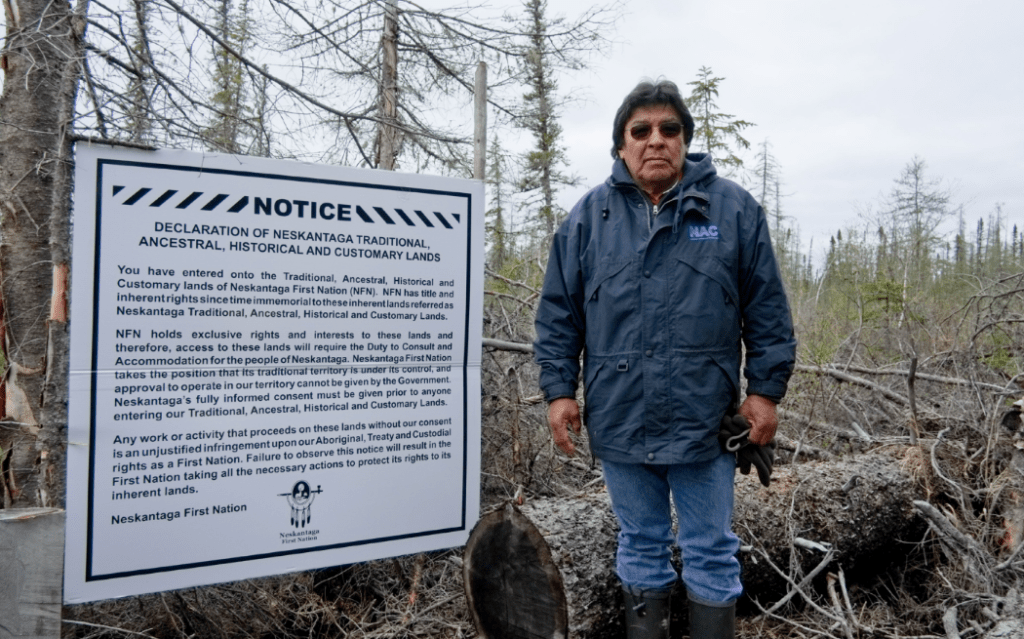
Photo by Allan Lissner/Neskantaga First Nation.
The Ring of Fire Must Stay Off the MPO’s List
Despite Ontario’s push to fast-track mining and infrastructure projects in the Ring of Fire, such as the Northern Road Link and Wyloo Metal’s Eagle’s Nest Mine, the federal government has yet to refer any such projects to the MPO. It is not yet clear whether this signals the federal government’s intent to abdicate oversight in the region (see the recently signed Co-operation Agreement between Ontario and Canada on Environmental and Impact Assessment), or simply a delay in referral for other reasons.
Regardless, no Ring of Fire projects should be referred to the MPO or officially designated as PONIs. Comparing the Ring of Fire to an Ontario mining project that was on the second tranche of referrals to the MPO, Canada Nickel’s Crawford Mine in Timmins, helps explain why.
Viability. The Crawford Mine is located atop the world’s second largest nickel reserve. Only 42 kilometres away from Timmins, it has the advantage of being close to workers, on an existing road network, with ready access to electricity. In contrast, the Ring of Fire currently lacks road access and infrastructure, with the closest highway more than 300 kilometres away. Given the high cost and lengthy timelines required to develop the necessary infrastructure, Ring of Fire mining remains less economically viable than the Crawford Mine.
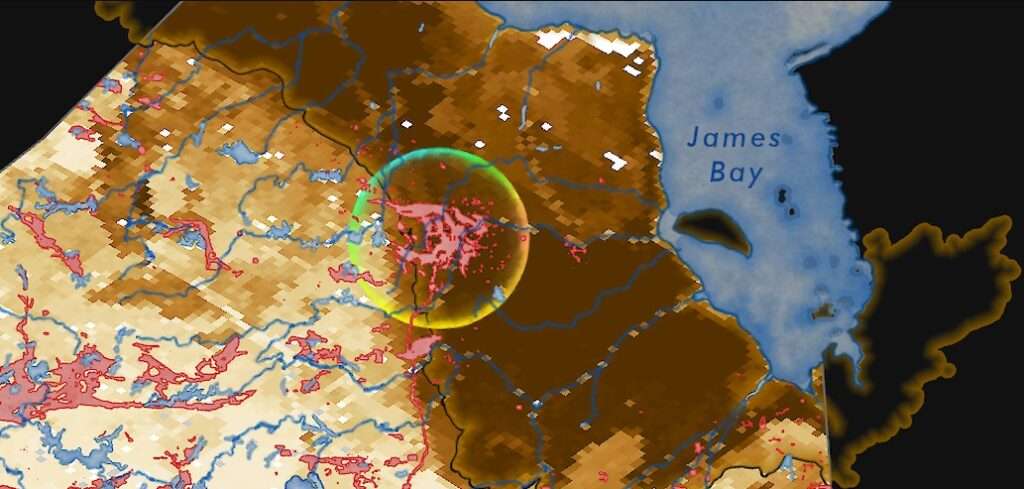
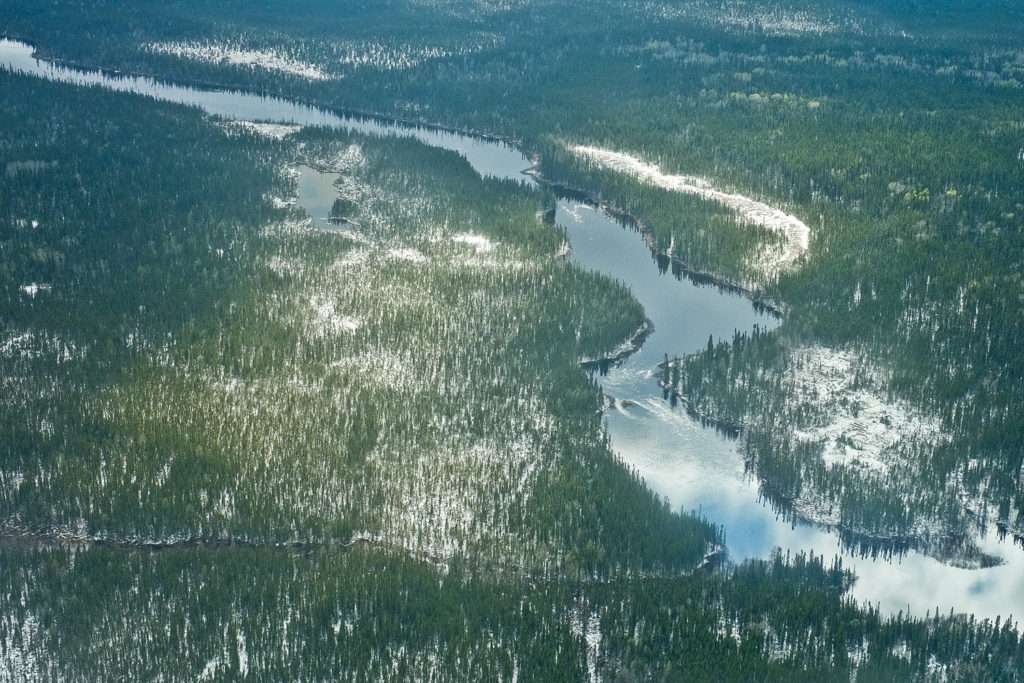
Preserving peatlands. Unlike the Crawford Mine, the Ring of Fire is located within the world’s second largest peatland complex, the Hudson Bay Lowland. These unfragmented peatlands are vital (although often overlooked) carbon sinks, critical to fighting climate change and protecting biodiversity. Disturbing peatlands through mining or infrastructure development releases large amounts of carbon dioxide and methane into the atmosphere and inhibits peat’s ability to effectively store carbon. Even putting aside the climate and biodiversity harms of disturbing peat, building roads over peatlands is no easy, nor inexpensive task.
Indigenous rights and sovereignty. While Canada Nickel has agreements with all nearby affected First Nations, projects in the Ring of Fire face intense opposition from several affected Indigenous communities. Wyloo Metals has memorandums of understanding with Marten Falls and Webequie First Nations, but other First Nations in the region have voiced their lack of consent to mining in their homelands. In 2021, Neskantaga, Fort Albany, and Attawapiskat First Nations declared a moratorium on all development in the Ring of Fire, and Neskantaga served a cease-and-desist letter to a mineral exploration company as recently as December 2025.
Key Takeaways
While the MPO’s function and impact have yet to crystallize, the first two tranches of referrals offer a glimpse into what the federal government considers to be in the national interest. The chosen projects suggest an emphasis on mining and energy production (from both fossil fuels and renewables), and a preference for projects that are relatively far along in development and primarily in need of financial support.
If the federal government is really interested in pursuing projects in the “national interest”, it should keep away from major projects in the Ring of Fire. Developing the Ring of Fire is not as economically viable as pursuing other potential projects. Additionally, mining and infrastructure projects could jeopardize the essential role played by the Ring of Fire’s peatlands in mitigating climate change and protecting biodiversity. Finally, this development could be devastating to the homelands of many First Nations in the region and pursuing it without their consent would be a violation of their jurisdiction.
On March 5, 2026, the Environmental Justice and Sustainability Clinic at Osgoode Hall Law School hosted a student research symposium, “What’s Actually Happening in the Ring of Fire?” This event brought together law students and land defenders from Neskantaga First Nation, Attawapiskat First Nation, and 8th Fire Rising to make sense of the rapidly changing regulatory landscape across the Indigenous homelands of Treaty No. 9.
Presenters discussed their research on the environmental and impact assessments for the Ring of Fire roads, the ongoing Regional Assessment, the likelihood and consequences of a possible designation of the Ring of Fire as a Project in the National Interest (PONI) or a “Special Economic Zone” (SEZ), and the wide-ranging impacts on Indigenous self-determination and democratic rights spurred by the onslaught of “fast-tracking” legislation.
Leaders, land defenders, and community members from Neskantaga First Nation and Attawapiskat First Nation described the Here We Stand camp they have set up on the Attawapiskat River (at the proposed crossing site for the mining road) and their ongoing land defence actions.