eagle’s nest

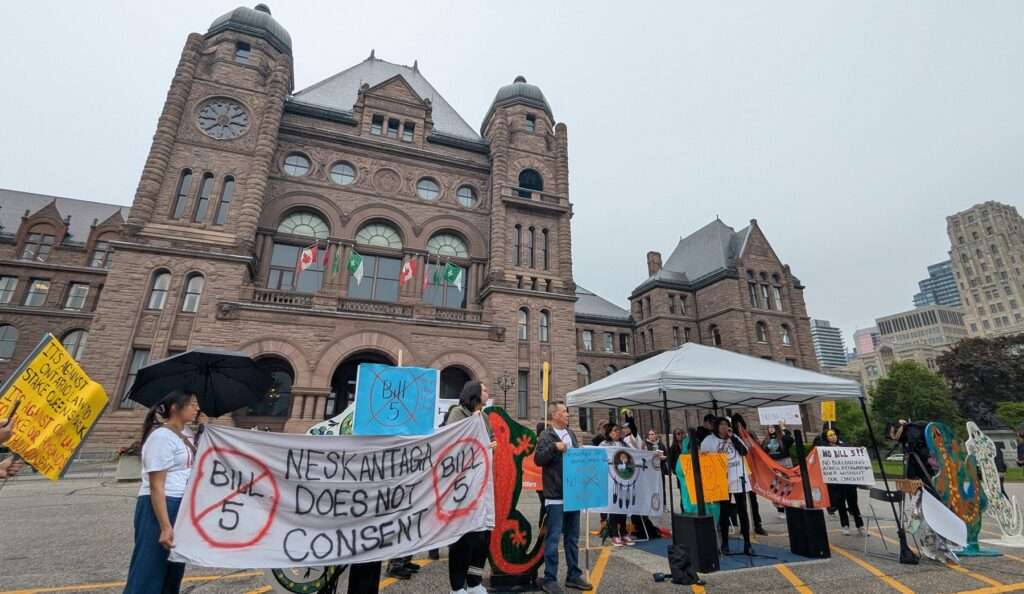
Members of Neskantaga First Nation speak at a rally opposing Bill 5 at Queen's Park on May 28, 2025. Their sign reads "Neskantaga Does Not Consent."

First Nations Rally Against Bill 5, Doug Ford’s Latest Attack on Indigenous Jurisdiction (in Treaty No. 9 and Beyond)

By: Haidi Wu | On May 28, 2025, First Nations representatives, progressive MPPs, and environmental advocates gathered in front of Queen’s Park to protest Bill 5, the Protect Ontario by Unleashing our Economy Act. As a new member of the Infrastructure Beyond Extractivism (IBE) team, I was there to support our collaborators from Neskantaga First Nation.
First Nations Rally Against Bill 5, Doug Ford’s Latest Attack on Indigenous Jurisdiction (in Treaty No. 9 and Beyond) Read More »

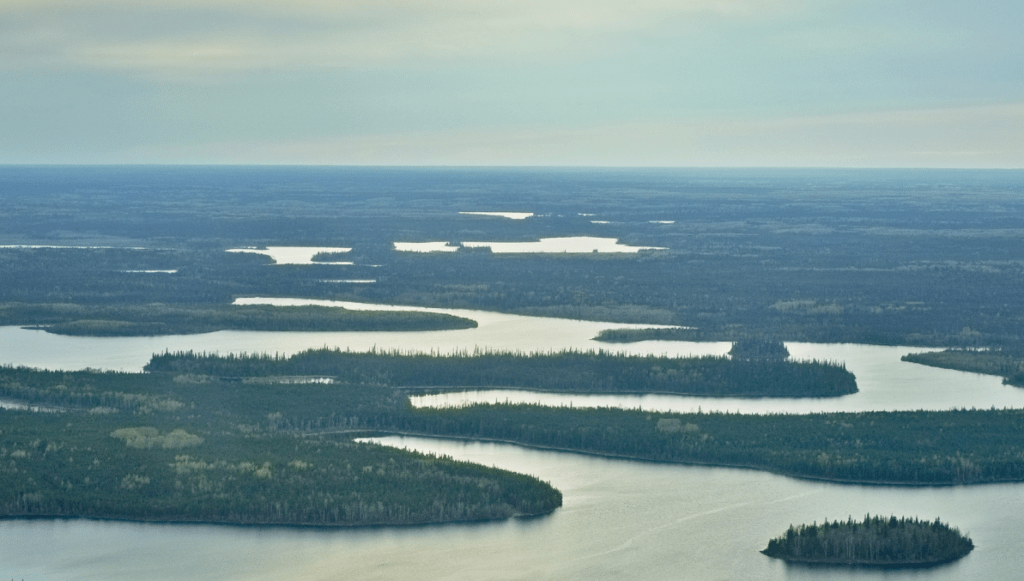
Fire An aerial view of the Attawapiskat River. Photo by Allan Lissner/Neskantaga First Nation.

What is the Ring of Fire?

By: Saima Desai | In the far north of what’s currently known as Ontario, in an area covered by Treaty No. 9, lies the Hudson Bay Lowlands, an area roughly the size of Germany speckled with ponds, lakes, and rivers. Over thousands of years, plants growing in the waterlogged earth would die, never fully decomposing and instead becoming part of a rich, spongy layer of peat. Local First Nations call it the “breathing lands,” referring to the immense amounts of carbon that the peatlands absorb from the air. Rare and threatened plants and animals call the lowlands home: caribou, wolverine, and lake sturgeon.

What is the Ring of Fire? Read More »

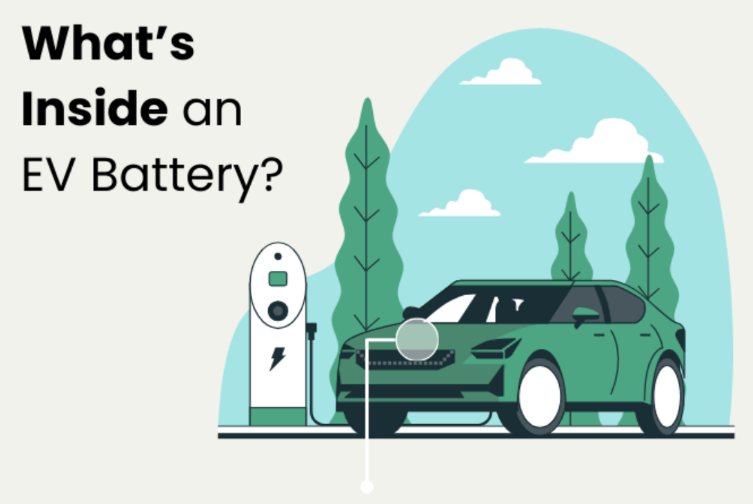
What's inside an EV battery, image by Lisa Ferguson

EV Batteries 101 and the Use of Nickel

By: Isaac Thornley | While the anode is mostly made from graphite, the cathode comprises a range of minerals such as lithium, nickel, manganese, and cobalt. The cathode contains the greatest variety of minerals, is the most valuable part of the battery, and is a major determinant in the performance of the battery—including the energy storage capacity, duration of charge, and battery lifespan.

EV Batteries 101 and the Use of Nickel Read More »

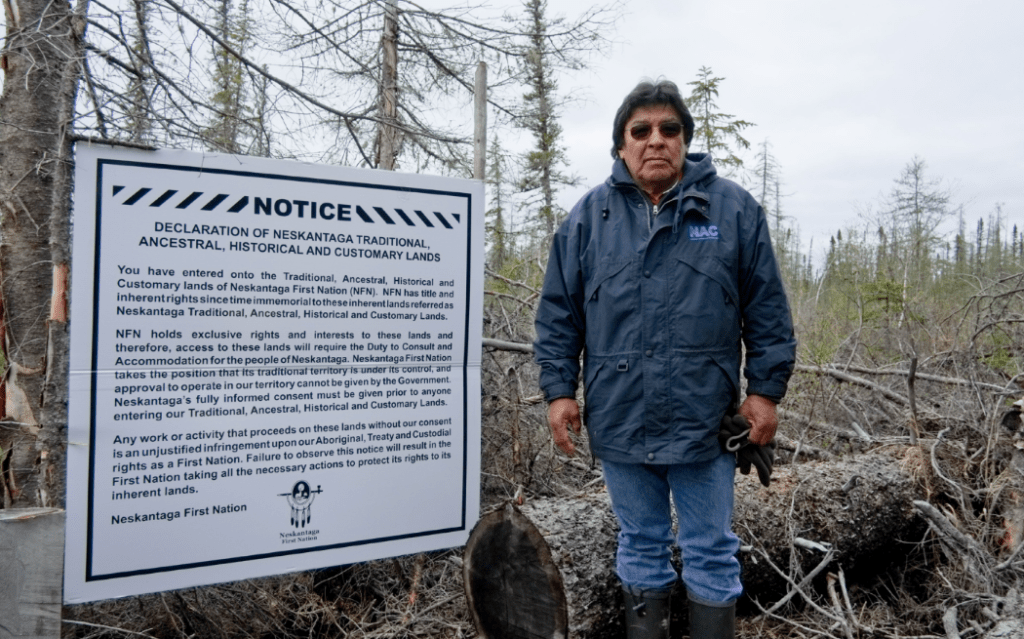
Former Chief of Neskantaga First Nation, Peter Moonias, stands next to a declaration of Neskantaga’s homelands, which community members have posted throughout their traditional territory to advise prospectors and mining companies. Photo by Allan Lissner/Neskantaga First Nation.

The Biggest Gap in Ontario’s EV Battery Supply Chain: Indigenous Jurisdiction

By: Isaac Thornley | In 2023, the federal and Ontario governments pledged historic subsidies to automakers—up to $13.2 billion to Volkswagen, $15 billion to Stellantis—to build EV battery plants in Canada. While the subsidies show a commitment to secure a fully domestic supply chain for EV batteries, there remain significant gaps. These include a lack of mineral refining capacity in Canada, a lack of infrastructure in mineral-rich regions (such as the Ring of Fire), and, in particular, a lack of recognition of the jurisdiction of Indigenous peoples and their capacity to provide or withhold consent. 

The Biggest Gap in Ontario’s EV Battery Supply Chain: Indigenous Jurisdiction Read More »