Infrastructure Beyond Extractivism: Material Approaches to Restoring Indigenous Jurisdiction
Pilot Projects
Infrastructure Beyond Extractivism
Pilot Projects

Infrastructure Beyond Extractivism enacts experiments in transformative infrastructure to restore Indigenous jurisdiction. We aim to demonstrate how Indigenous-led consent processes based on fulfilling responsibilities serve to restore Indigenous jurisdiction and reclaim Indigenous lands and waterways, foodways and lifeways. The pilot projects listed on this page are all supported by the Infrastructure Beyond Extractivism Project and a SSHRC Partnership Grant.
IBE Pilot Projects:
8th Fire Rising
8th Fire Rising is a research network and organizing project co-coordinated by IBE Co-Investigator Shiri Pasternak and Wet’suwet’en / Mushkegowuk community activist Eve Saint.
Launched on Canada Day 2025, a growing team of IBE researchers and affiliates pulled together resources and analysis on the flood of legislation being passed across Canada to expedite extraction and development in the face of Trump’s tariffs, including Bill C-5 and Ontario’s Bill 5.
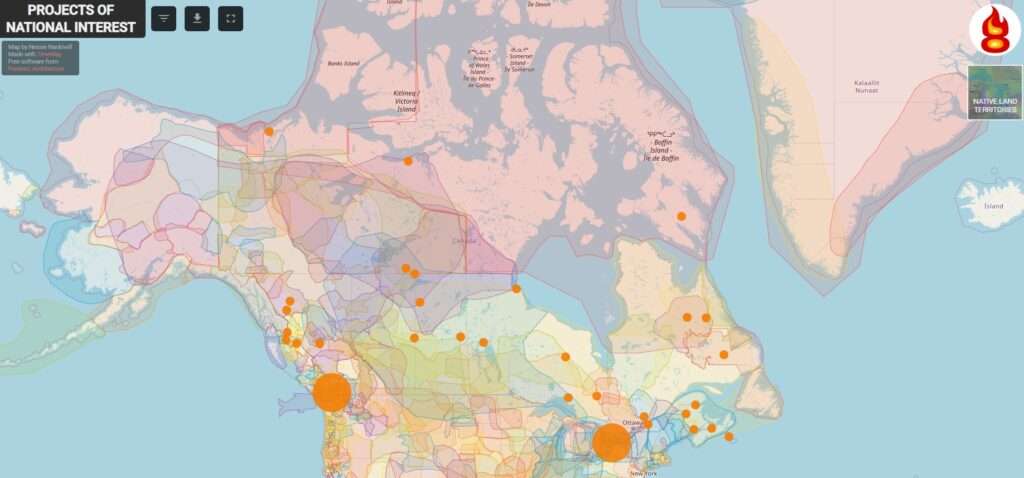
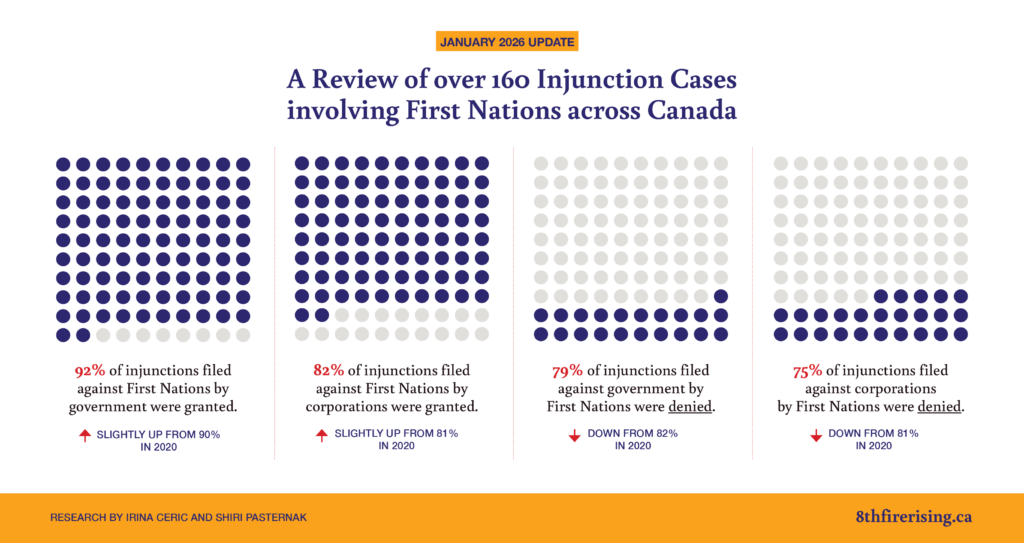
IBE Research Assistant Isaac Thornley developed the website with graphic support from Yumi Numata. More recently, the research team has collaborated on a Projects of National Interest (PONI) Map, designed by IBE Researcher Nessie Nankivell as well as a series of resources on Injunctions developed by Irina Ceric, Shiri Pasternak, and collaborators.
Tsilhqot’in Fire Stewardship
After a devastating set of wildfires swept through Tŝilhqot’in territory in 2017, Yunesit’in First Nation began the process of revitalizing its qwen (fire) law — applying fire to the land through ‘cultural burning.’ Seven years on, the program continues to grow, involving more Tŝilhqot’in fire practitioners caring for more land. Despite these successes, the program faces perennial barriers in Canadian law: access to traditional territory beyond reserve, rigid provincial conditions, and even an investigation for alleged contraventions of provincial wildfire law. What opportunities exist to shift these barriers to make space for the exercise of inherent Tŝilhqot’in rights and jurisdiction to care for the land using fire?
To answer this question, Russell Myers Ross (Yunesit’in), Emma Feltes (University of Toronto) and Jocelyn Stacey (UBC) convened a closed workshop co-hosted by the Union of BC Indian Chiefs on November 20, 2025 at UBC. The workshop pulled together legal practitioners and researchers to explore the right to burn. It asked: can fire stewardship qualify as a section 35 right? Expanding beyond fire, the hope is to ignite a discussion of whether and how shifting section 35 caselaw and UNDRIP implementation might ever evolve to protect Indigenous jurisdiction.
Sacred Earth Solar’s Just Transition Curriculum
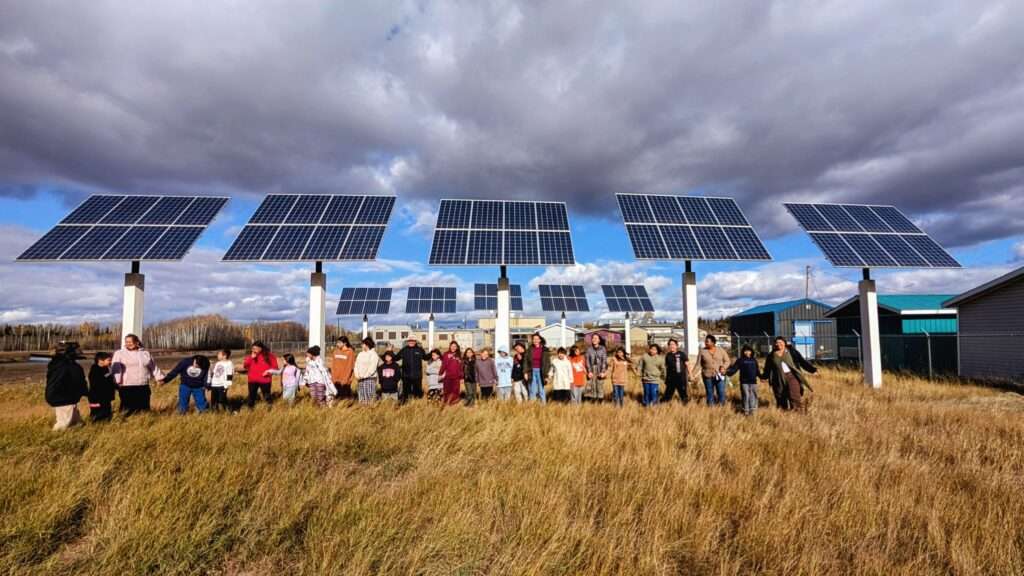
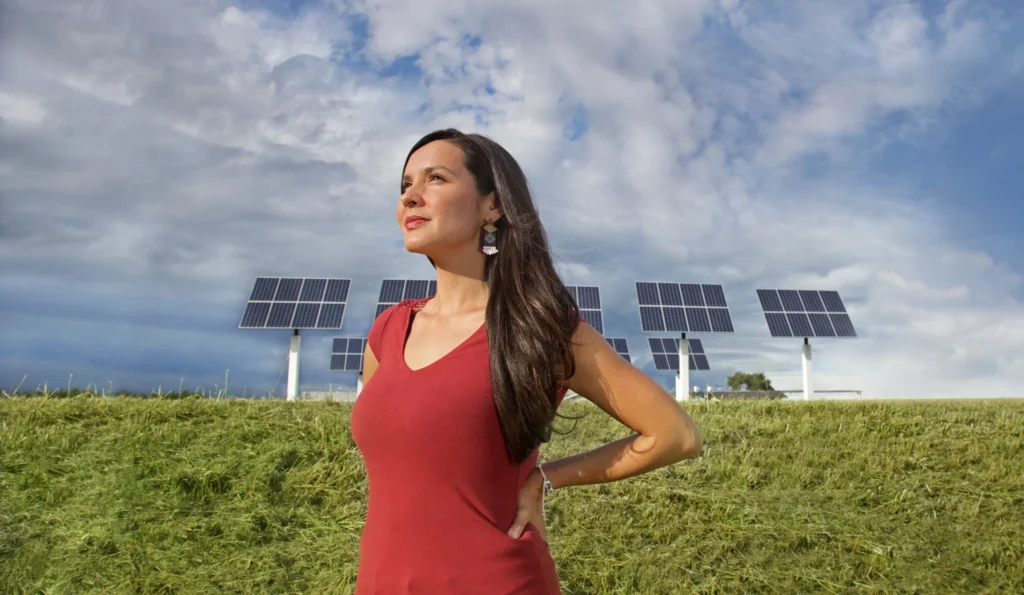
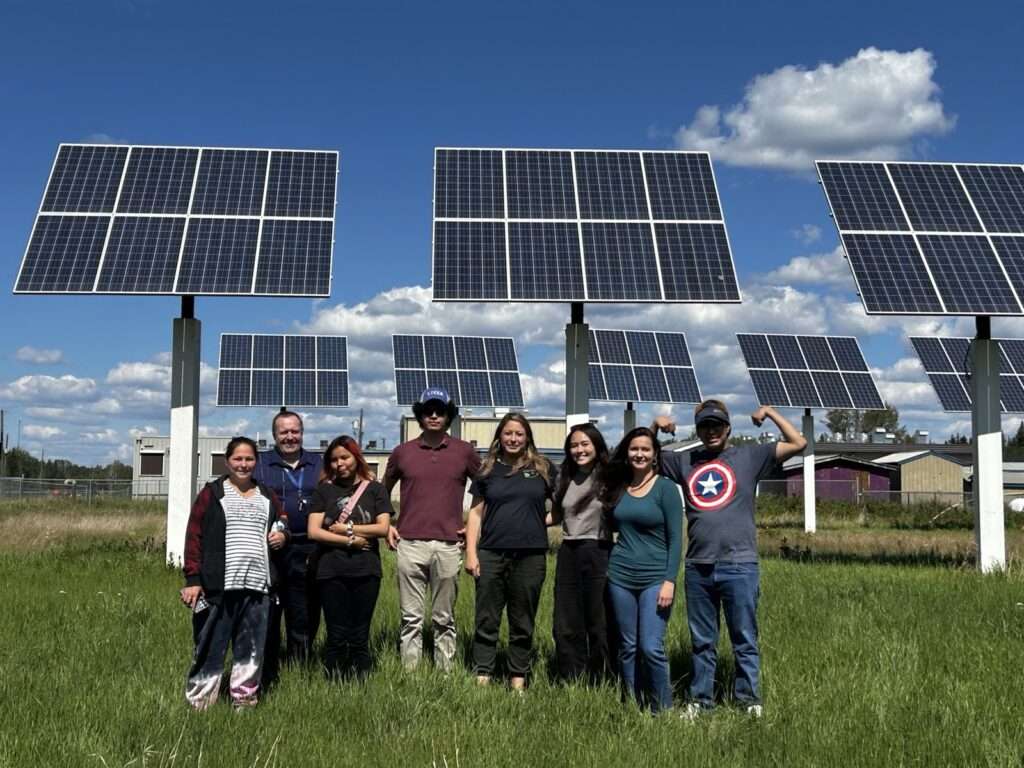
Sacred Earth is an Indigenous women-led, grassroots organization that partners with Indigenous communities across so-called Canada to advance a just transition. We provide support for community-led climate solutions and clean energy infrastructure; conduct Indigenous-centered research; provide training and educational resources (including our Just Transition Guide); and advocate for just climate policy and Indigenous sovereignty. By implementing Indigenous-led climate solutions, we are decolonizing the climate movement and exploring pathways for reciprocal relations between Indigenous peoples and their homelands.
Infrastructure Beyond Extractivism is currently supporting the development of Sacred Earth’s Just Transition Curriculum and pilot training programs. The goal of the curriculum is for Indigenous individuals, communities, and organisations to build energy systems literacy and feel empowered to move from reliance on fossil fuels to renewable energy sovereignty. The curriculum includes a guide for facilitators and nine learning modules for delivering in-person training programs. Each module contains learning outcomes, lesson plans, activities, handouts, key terms, evaluative tools, and facilitator guidance.
In October 2024, Sacred Earth attended the SevenGen Indigenous Youth Energy Summit in Iqaluit, Nunavut and successfully facilitated a workshop on Indigenous environmental governance. A group of over 30 Indigenous youth from across so-called Canada attended the workshop, which highlighted strategies to achieve an Indigenous-led just transition and created linkages between traditional governance and energy sovereignty. Attendees were asked to imagine what a just transition looks like in their community, as well as how to include wisdom from their ancestors in future energy systems.
On the Land and Water: Economic Sovereignty at Fort William First Nation
IBE Researcher Dr. Damien Lee has recently worked on co-leading a project that mobilizes knowledge about maple syrup operations as an expression of Anishinaabe economic sovereignty. In Fall 2025, project team members were wrapping up the recording sessions for a four-part podcast series, to be released in Winter/Spring 2026. This podcast draws on interviews and archival research. Other aspects of this pilot project include drafting and publishing a small booklet recounting a 1996 flashpoint event whereby Fort William fishermen asserted economic sovereignty; the booklet relies on interviews and archival research. Stay tuned for future updates on this pilot project and podcast series!
Defending the Vital Infrastructure of the Attawapiskat River System
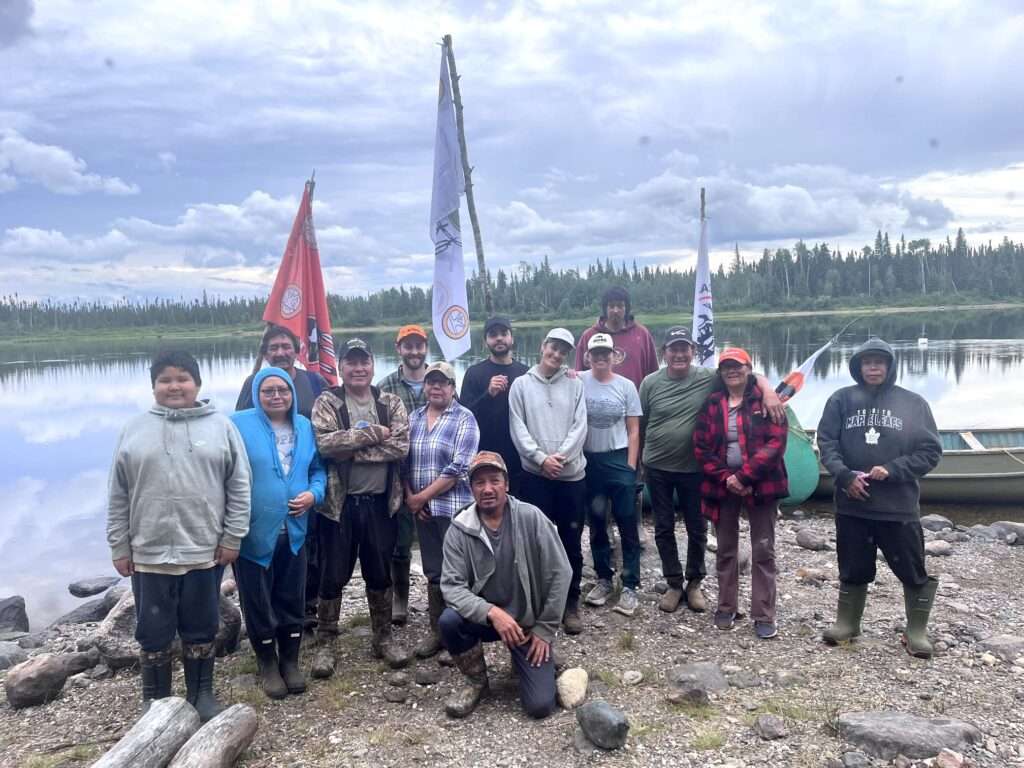
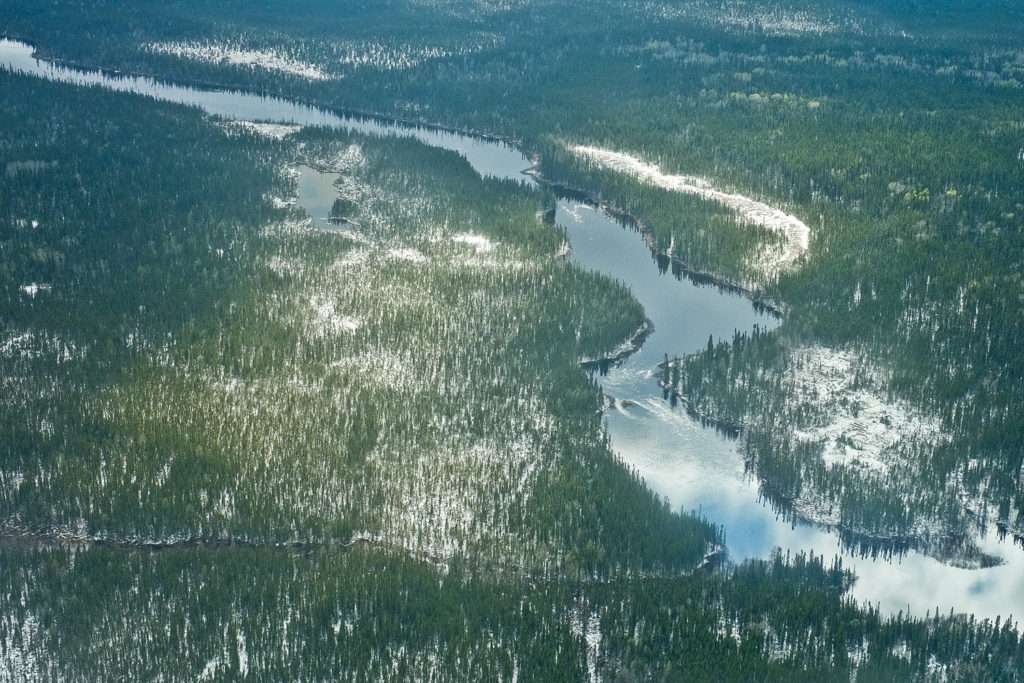
Neskantaga First Nation is one of the community partners of the Infrastructure Beyond Extractivism project. Working alongside IBE Co-PI Dayna Nadine Scott and research assistants, Neskantaga is leading one of IBE’s pilot projects, “Defending the Vital Infrastructure of the Attawapiskat River System.” The Attawapiskat River System is considered by members of Neskantaga to be the “lifeline” of their community, but it is threatened by intensifying pressures to develop the so-called Ring of Fire region. Located in the boreal peatlands of Treaty No. 9 territory, Neskantaga has stewarded these lands and waters since time immemorial, including through its sturgeon stewardship program Namekaa Gaagige (“Many Sturgeon Forever”). In July 2025, members of the IBE team were welcomed by Neskantaga to spend time at the Here We Stand camp, a land defense camp set up on the Attawapiskat River near the proposed Ring of Fire road crossing. The group conducted environmental monitoring (to document damage done by mining companies as part of their exploration activities) as well as community mapping (to document and envision historical, present, and future use of the territory by community members).
Most recently, IBE members have supported Neskantaga in submitting a designation request to subject Australian miner Wyloo’s proposed Eagle’s Nest mine to federal impact assessment. On October 28-29, 2025, Neskantaga sent a letter to Environment and Climate Change Minister Julie Dabrusin and issued a news release arguing that projects with major environmental and cultural consequences—such as roads, mines, and processing facilities in the Ring of Fire—must receive meaningful federal oversight and uphold Treaty and Aboriginal rights. This generated media coverage in publications such as Canada’s National Observer, The Narwhal, and Ricochet. With Premier Ford continuing to argue that Canada has to “get out of the way” in order to make way for his bulldozer, Neskantaga is trying to highlight the extent to which Canada is also tripping over itself to appease global capital.
Salish Sea Assembly 2025
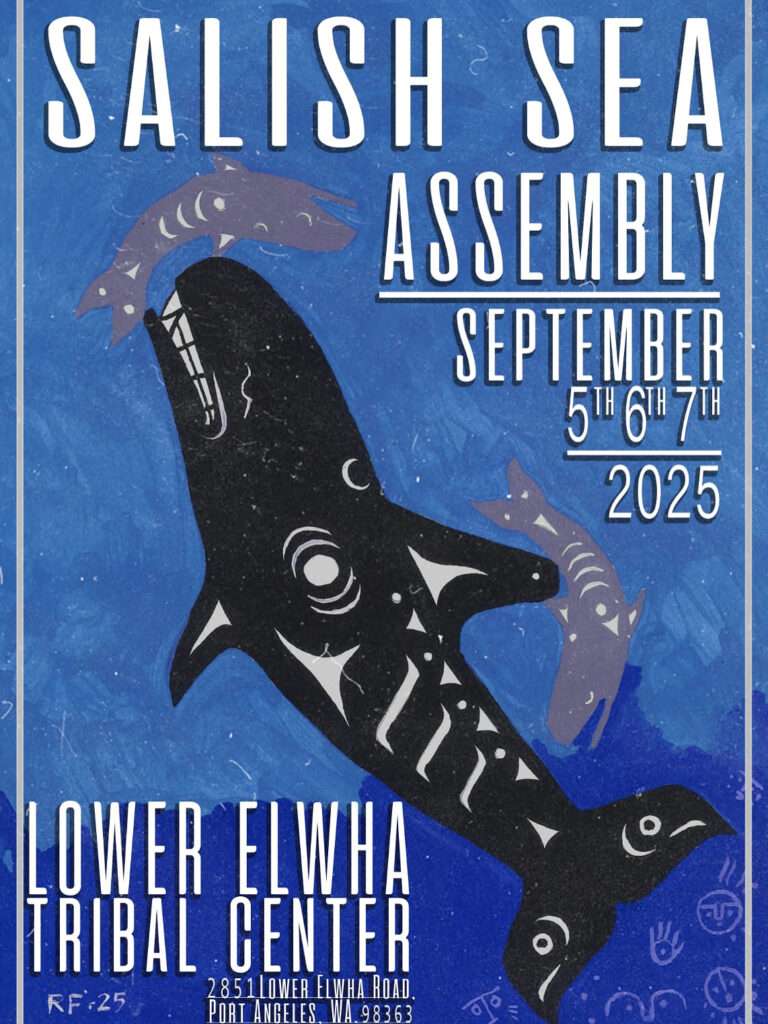
The Salish Sea Assembly 2025 was held from September 5-7 at the Lower Elwha Tribal Centre in Port Angeles, WA. IBE Team Member Kanahus Manuel was one of the organizers of this gathering. The following is an excerpt from the website of the Salish Sea Assembly:
All across Turtle Island, Indigenous land and water defenders are in an ongoing battle with dirty energy corporations expanding across the so-called tar sands region in Treaties 8 and 6. The unfettered expansion equates to ever-expanding toxic tailings ponds and lakes, an increase in mancamps, unreliable infrastructure, a self-reporting industry of oil and bitumen spills, and increased oil tankers in the Salish Sea.
Indigenous Peoples are on the frontlines of fossil fuel extraction on our territories. From toxic air and tailings ponds that surround our communities, aging and new North American pipelines failing an average of 1.7 times daily, the increased presence of oil tankers on the West Coast, a multifaceted threat to the marine life and ecosystems, to the waste by-products used to produce the plastics, breaking down into micro and nanoplastics in our food, water, and bodies. This is environmental violence and a violation of our rights.
For generations, we have witnessed the destruction of our shared planet and communities by extractive and exploitative colonial and capitalist systems of oppression. Indigenous Peoples, as stewards of the world’s oldest and most precious ecosystems for millennia, possess invaluable knowledge systems that uniquely position us to combat the extraction crisis.